
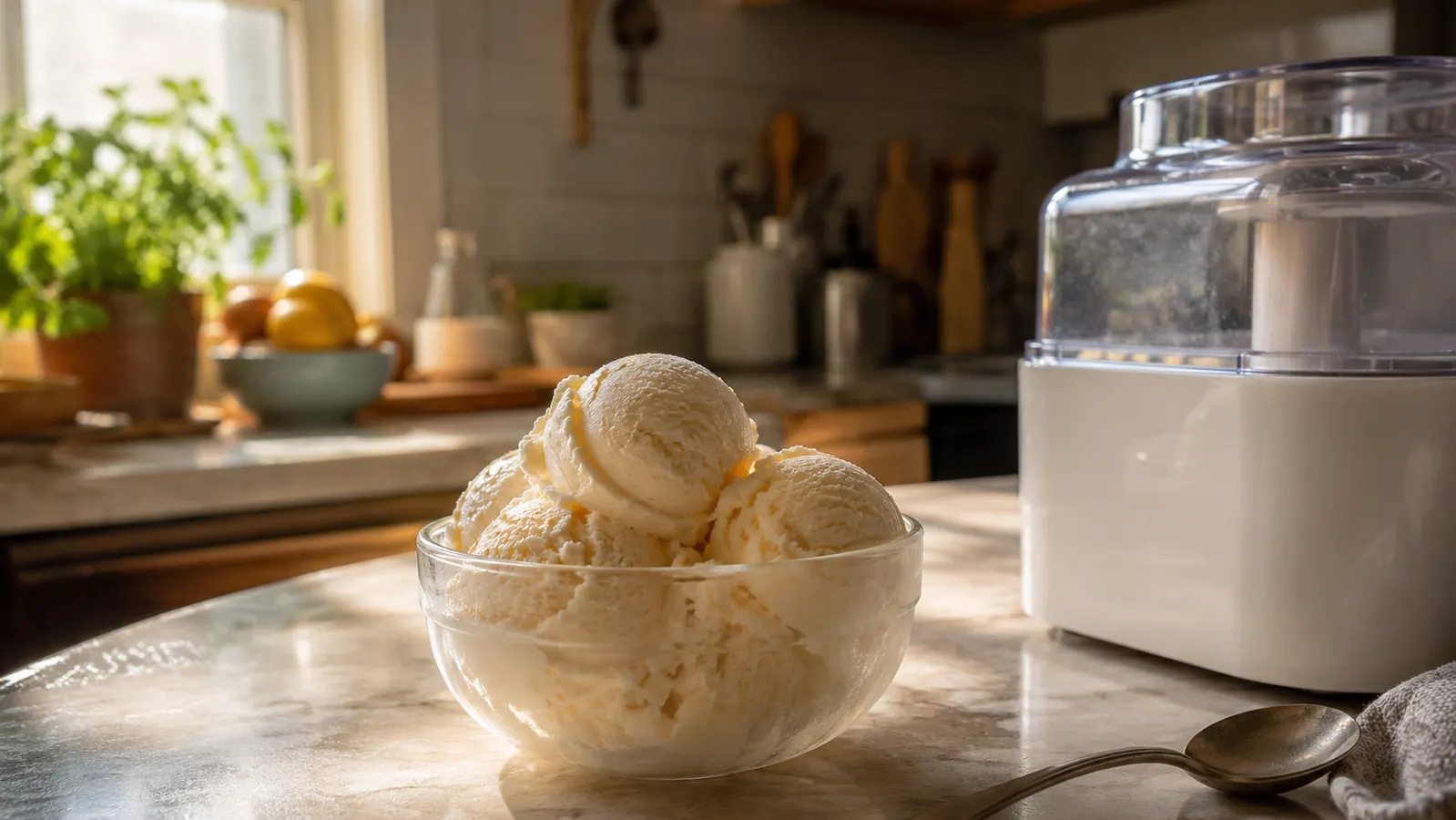
Every summer for thirty years working diner lines around Toledo, I made exactly zero batches of ice cream. We bought tubs of the stuff from a wholesaler and scooped it into sundae glasses, and that was as close as I ever got to making any myself. My daughter Cindy dropped a Cuisinart ICE-21P1 on our kitchen counter over Memorial Day weekend this year, half joking that Carol and I needed a project for the grandkids that didn't involve a screen. Four months and roughly eighteen batches later, this little machine has earned a permanent spot on the counter next to the coffee maker, which in my kitchen is the highest compliment I hand out.
The Cuisinart ICE-21P1 is the company's basic model, the one with the white plastic housing, the double-insulated freezer bowl, and a motor that runs about twenty minutes a batch once the bowl is properly frozen. No rock salt, no bags of ice dragged in from the gas station, no cranking by hand. You freeze the bowl ahead of time, pour in your mix through the spout, flip the switch, and the paddle does the rest. It runs somewhere around sixty dollars depending on the week, and I was skeptical a machine that cheap could turn out anything better than the soft serve machine we ran at the diner. I was wrong about that, and I'll walk through exactly why.
Quick Verdict
The Quick Verdict
A genuinely simple machine that makes real churned-ice-cream texture at home, once you accept the planning it takes to keep the bowl frozen and ready to go.
Amazon Check Today's Price →Tired of freezer-burned tubs that run six dollars for half a container
The Cuisinart ICE-21P1 turns cream, sugar, and whatever mix-ins you've got into real churned ice cream in about twenty minutes, no rock salt required. Check today's price on Amazon and see if it earns the freezer space at your house.
Amazon Check Today's Price on Amazon →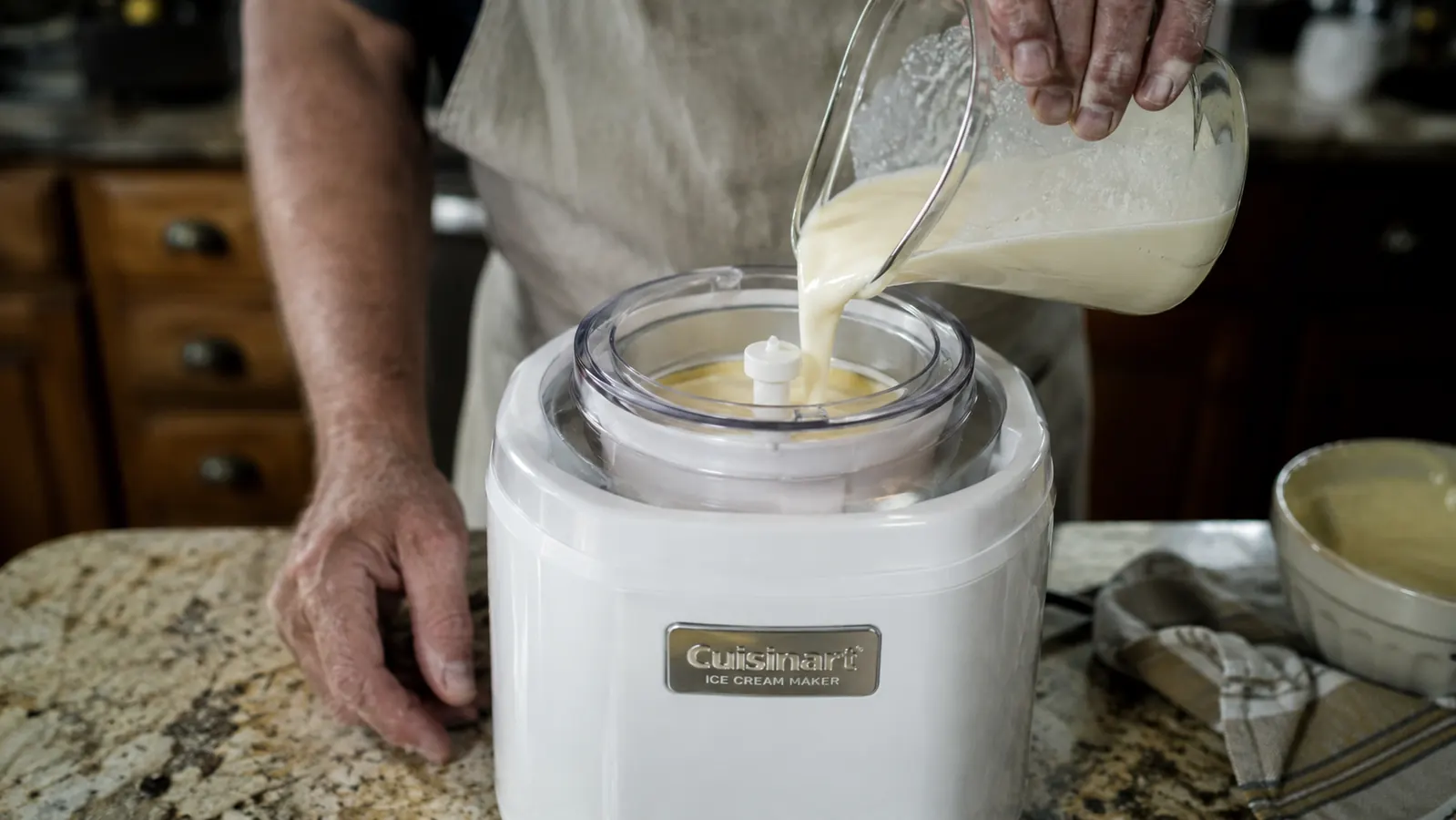
How I've Used It
We didn't jump straight into a weekly habit. The first few weeks of June it was maybe once every ten days, mostly me testing whether the Cuisinart ICE-21P1 could handle basic vanilla without turning into soup. By the Fourth of July it had become the standing Friday night routine, right alongside Carol's tomatoes coming in from the garden. Carol mixes the base, usually heavy cream, whole milk, sugar, and a vanilla bean split down the middle, and I run it through the machine while the grandkids argue over who gets to pick the flavor next.
My grandson Jake is nine and takes the flavor-picking job seriously, which is how we ended up making a batch of blueberry that turned the whole kitchen purple for a day. The bowl itself is only 1.5 quarts, which sounds small until you realize that's still enough for six or seven people to get a decent scoop, more if you're serving it over pie instead of in a bowl by itself. I keep the freezer bowl in our chest freezer in the garage year round now, wrapped in a plastic bag so it doesn't pick up freezer smell from the venison Carol's brother drops off every fall.
By August we'd made vanilla a dozen times, tried strawberry twice with fruit from the farmers market, made a lemon sorbet for Carol since she's watching her sugar these days, and did one memorable batch of mint chocolate chip for Jake's birthday that came out a little too soft because I rushed the freeze time on the bowl. That one's on me, not the Cuisinart ICE-21P1. The machine does exactly what the freeze temperature of that bowl allows it to do, no more, no less, and it's forgiven more of my mistakes than any piece of equipment I ever ran in a professional kitchen.
What's in the Box and How the Motor Actually Holds Up
The box has four pieces: the base with the motor, the double-insulated freezer bowl, the paddle, and a clear lid with a spout for adding mix-ins while it's running. That's the whole kit. No attachments, no accessories to lose track of, which after years of dealing with restaurant equipment with forty parts, I actually appreciated. The housing is plastic, not stainless, and it feels lighter in your hands than you'd expect for something that's been running twenty minutes at a stretch every week since Memorial Day.
The motor has a noticeable hum to it, closer to a box fan than anything quiet, and it's not something you want running during a phone call in the next room. It hasn't slowed down or strained on me once in four months, even on thicker bases with more cream than milk, which I was half expecting to bog it down given how light the whole unit feels. The paddle snaps onto the shaft with a simple push, no locking mechanism to fuss with, and it spins freely enough by hand that you can tell right away if it's seated wrong before you even plug the thing in.
The lid's mix-in spout is a smart touch. You can drop chocolate chips, crushed cookies, or fresh fruit in during the last five minutes of churning without stopping the machine or losing the cold. Jake likes dropping the mix-ins in himself now, timed off the kitchen clock, and it's turned into its own little ritual on Friday nights.
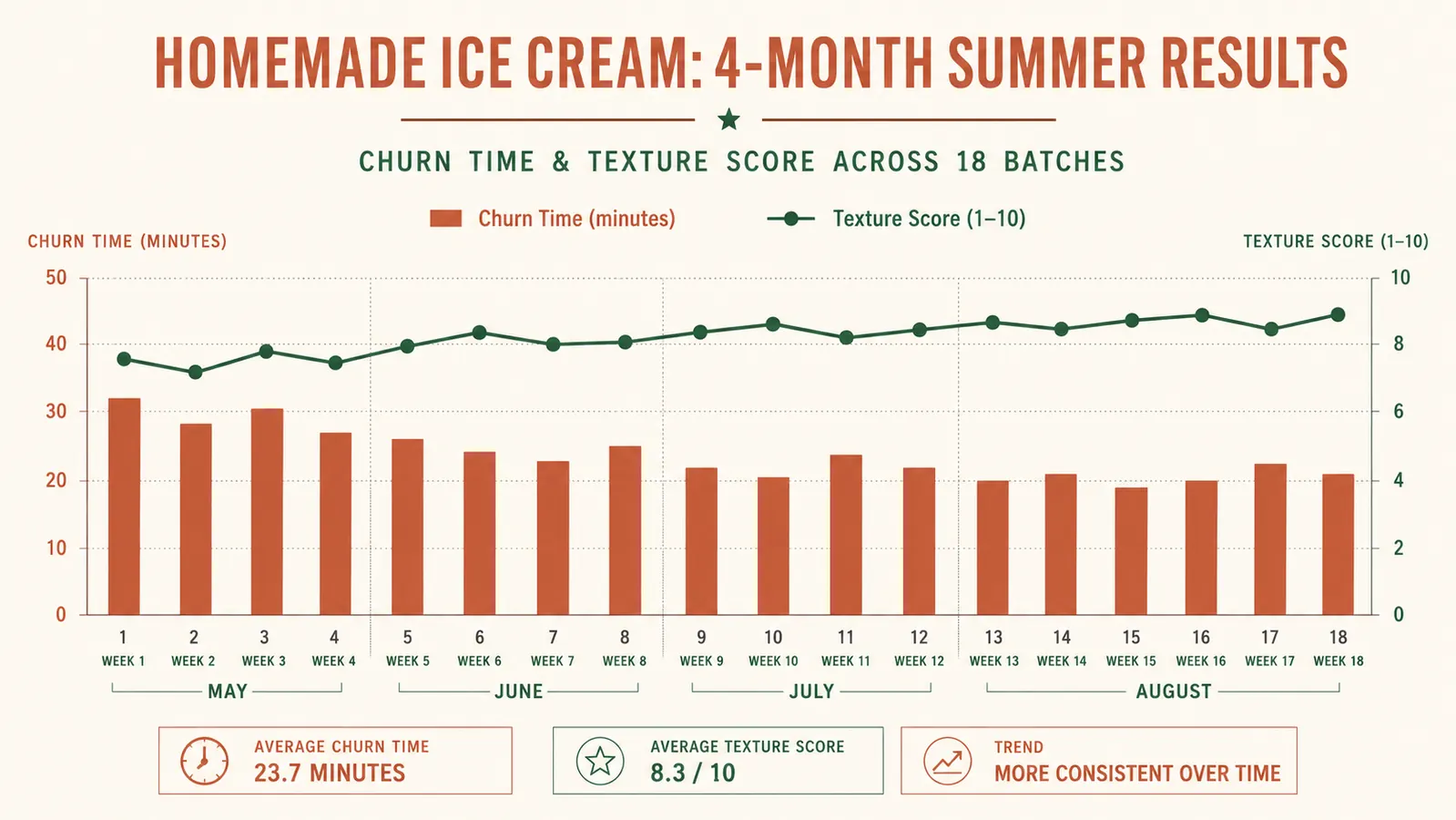
Freeze Time, Ratios, and Getting the Texture Right
Here's the part nobody tells you clearly enough before you buy: the bowl needs a full 24 hours in the back of your freezer, not the door, not a fridge freezer that opens fifteen times a day for milk and leftovers. We learned this the hard way in June when I pulled the bowl after eight hours and ended up with something closer to a cold milkshake than ice cream. Once we started keeping a dedicated bowl in the chest freezer that never gets opened for anything else, every batch since has come out right.
The Cuisinart ICE-21P1 churns for right around twenty minutes on a properly frozen bowl before the mix starts to seize up and the motor starts working harder against it. That twenty-minute mark gets you a soft-serve consistency, which is genuinely good straight out of the machine, but Carol found it firms up nicely into a scoopable texture after two more hours in the chest freezer in a lidded container. Skip that second freeze and you'll be eating it with a spoon out of a bowl, which honestly nobody in this house has complained about either.
Ratios matter more than I expected going in. Too much cream and not enough sugar and it churns up icy instead of creamy, since sugar is doing real work lowering the freeze point of the mix, not just sweetening it. Carol settled on roughly two cups heavy cream to one cup whole milk with three quarters of a cup of sugar for our standard vanilla base, and that combination has been consistent since July. Anything with alcohol in it, and we tried a rum raisin once for a dinner party, barely firms up at all, since alcohol resists freezing the same way sugar does, just more aggressively.
Flavors We've Actually Made
Vanilla bean is still our go-to, mostly because Carol chills the base overnight in the fridge before churning, which the Cuisinart manual actually recommends and which makes a real difference in how fast and smooth it churns compared to using a warm mix straight off the stove. Strawberry came out well both times we made it, though the fruit needs to be macerated with a little sugar first and strained some, or you end up with icy chunks scattered through an otherwise smooth batch.
The lemon sorbet for Carol turned out to be one of the better surprises. No cream at all, just lemon juice, water, sugar, and a little zest, and the machine handled it exactly the same way it handles a dairy base, churning it to a scoopable texture in about eighteen minutes. We've also done frozen yogurt with plain Greek yogurt swapped in for half the cream, which came out tangier and a little lighter, good for an afternoon in July when a full-fat scoop feels like too much.
Cleanup and Keeping the Bowl Ready
The paddle, lid, and base wipe down easy since nothing sticks the way a scorched pot does. I don't put the freezer bowl through the dishwasher, mostly out of habit from thirty years of not trusting dishwashers with anything that has a coating on it, and Cuisinart's instructions actually back that instinct up. A quick hand wash and dry, back in its plastic bag, straight into the chest freezer, and it's ready to go again whenever we want it.
The real commitment isn't the ten minutes of cleanup, it's the freezer space. That bowl takes up a real chunk of our chest freezer permanently now, which meant Carol had to reorganize where the venison and the frozen vegetables from her garden live. If your freezer is already packed tight, that's worth thinking through before you buy the Cuisinart ICE-21P1, because a bowl that isn't frozen solid means a wasted Friday night.

Where It Struggles
The 1.5 quart capacity is the biggest limitation once you start serving more than six people. We hosted Carol's whole side of the family for a cookout in August and had to run two back-to-back batches, which meant refreezing the bowl for a full day between them since we only own the one. If you're regularly feeding a bigger crowd, you'd want either a second bowl or a larger-capacity machine entirely.
There's also no built-in timer or shutoff. You've got to watch the clock yourself and pull the plug around the twenty-minute mark, or the motor keeps grinding against a mix that's already firmed up more than it needs to. And because there are no stabilizers or emulsifiers in a homemade base, anything we don't eat within a few days in the freezer starts picking up ice crystals, which is just the reality of homemade ice cream without the additives the commercial stuff leans on.
What I Liked
- Twenty-minute churn time with no rock salt or hand cranking required
- Double-insulated bowl produces genuinely creamy texture when frozen a full 24 hours
- Mix-in spout lets you add chips or fruit without stopping the machine
- Motor hasn't strained or slowed after four months of weekly use
- Handles dairy bases, sorbet, and frozen yogurt equally well
Where It Falls Short
- 1.5 quart bowl is small for anything bigger than a family dinner
- Freezer bowl needs a dedicated spot in a freezer that isn't opened constantly
- No timer or auto shutoff, you have to watch the clock yourself
- Homemade batches without stabilizers get icy within a few days in storage
- Only one bowl included, so back-to-back batches mean a full day wait between them
This isn't a machine that surprises you. It does one thing, turning a cold bowl and a simple mix into real ice cream, and it does it the same way every single time I've asked it to.
Who This Is For
If you've got a family that sits down together on weekends, or you want a low-mess project to get grandkids away from a screen for twenty minutes, the Cuisinart ICE-21P1 earns its keep fast. It's also a solid fit for anyone managing a diet where store-bought pints don't cut it, since making your own sorbet or frozen yogurt means you control exactly what's going into it, no mystery stabilizers or high fructose syrup. Anybody with chest freezer space to spare and a Friday night to spend on it will get real use out of this machine.
Who Should Skip It
If your freezer is already packed tight with no room for a permanent bowl, or you're the type who wants ice cream on a whim without planning a day ahead, this isn't the machine for you. Anyone regularly serving a crowd bigger than six or seven should look at a larger-capacity model instead, since running two batches back to back means a full 24-hour wait in between. And if a scoop of ice cream twice a summer is really all you're after, save the counter space for something you'll use more.
Ready to make Friday nights taste like something worth waiting for
Four months in, this is still the machine that gets the grandkids off their screens without me having to ask twice. Check today's price on Amazon before you decide.
Amazon Check Today's Price on Amazon →